

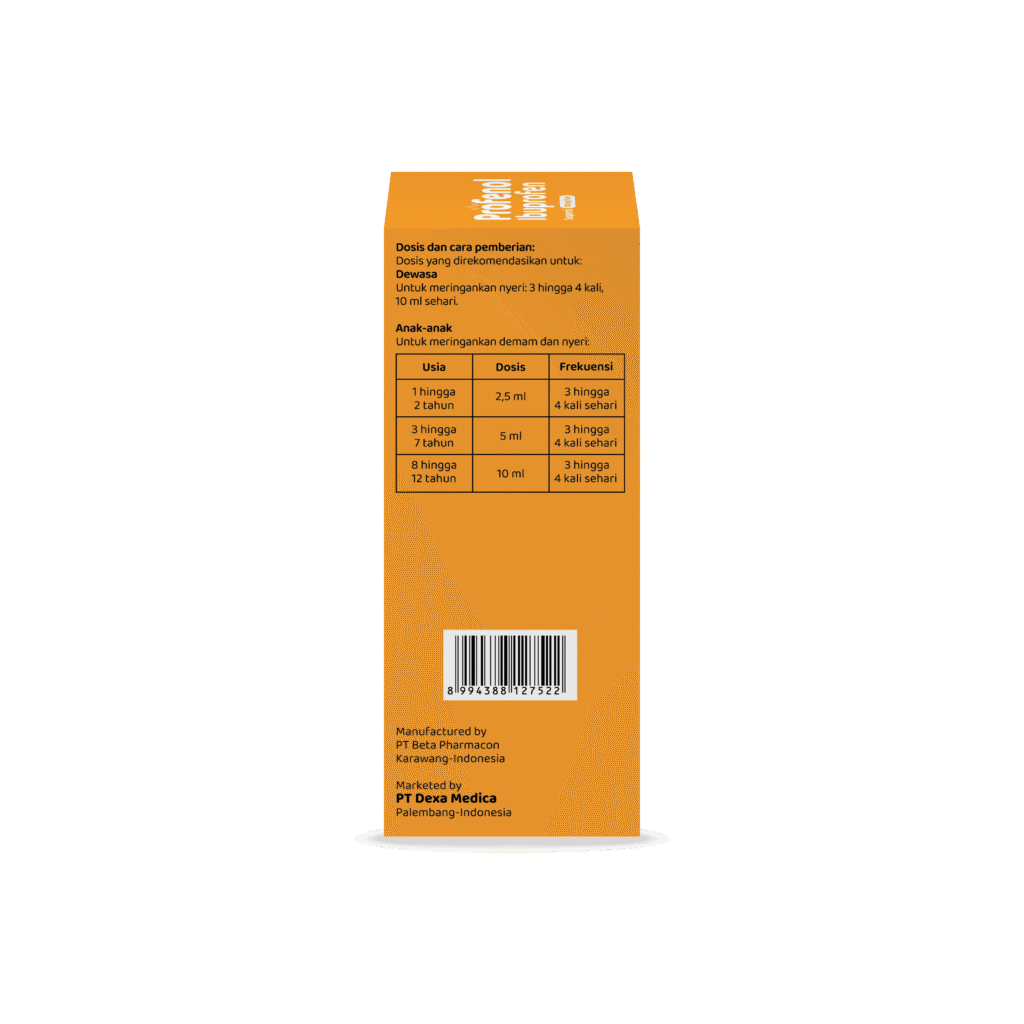
Profenol
 Indonesia • Dexa Medica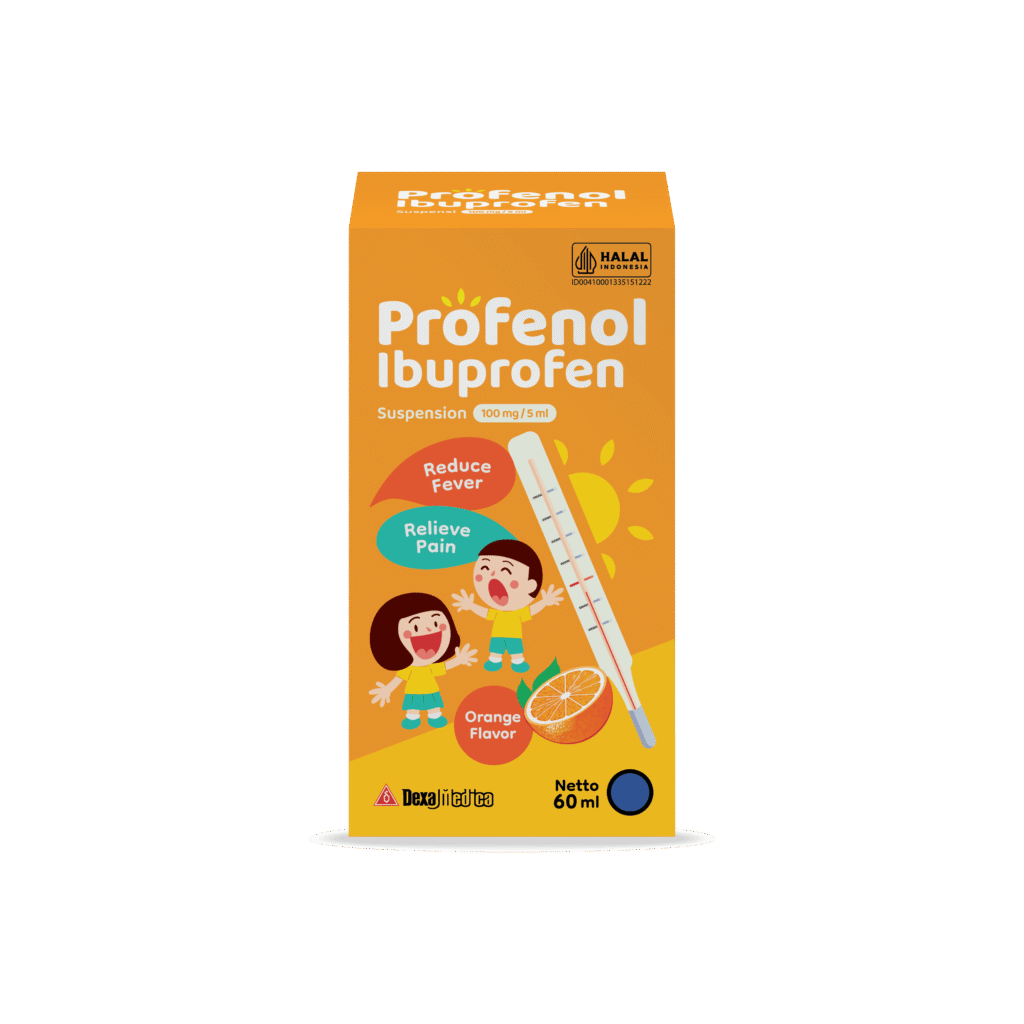
Indication
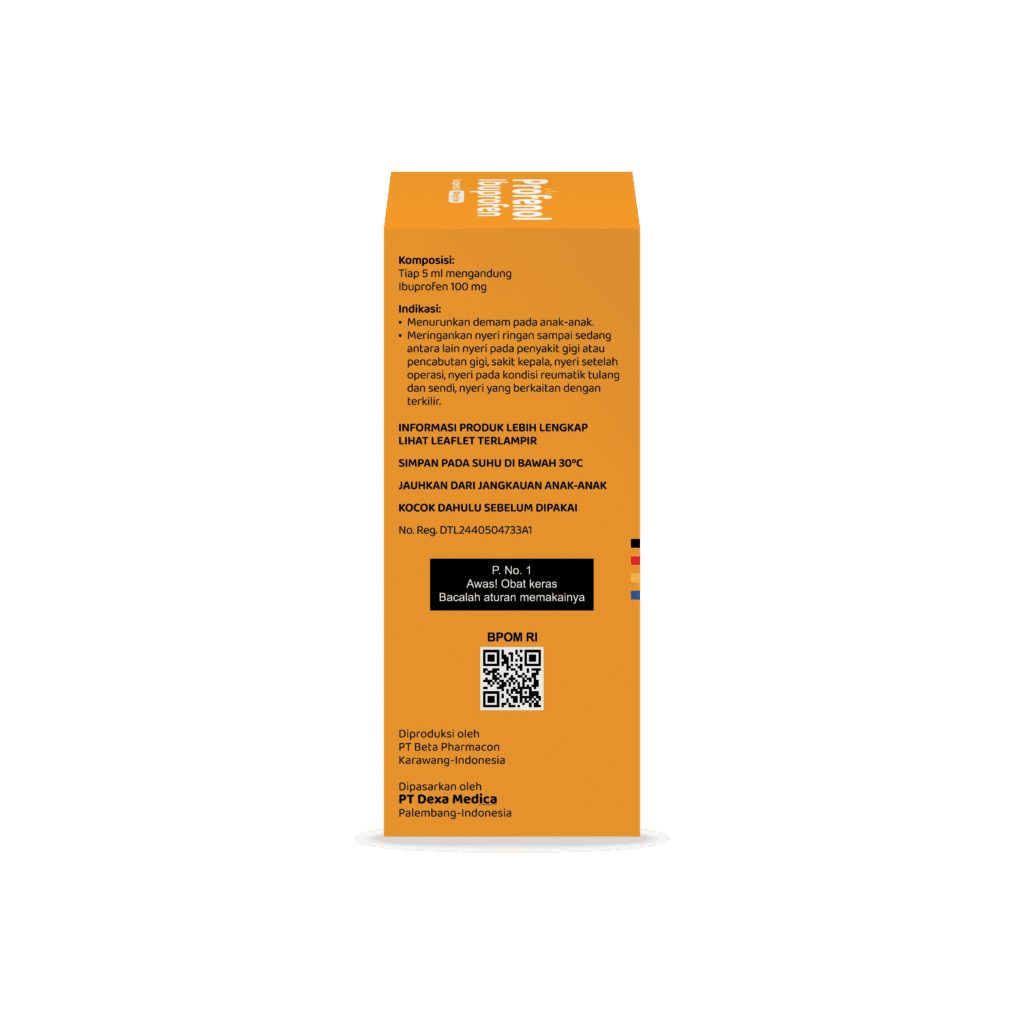
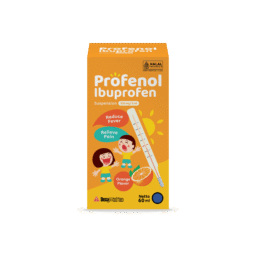
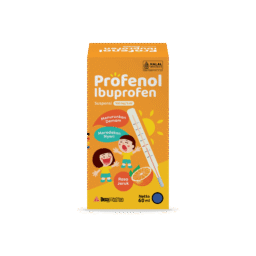
- To reduce fever in children.
- To relieve mild to moderate pain, such as dental pain or dental extraction pain, headache, postoperative pain, pain in rheumatic conditions of bones and joints, pain in association with sprains.
Composition
Each 5 ml contains Ibuprofen 100 mg.
Package
Dosage Forms
 Suspension
Flavour
ATC Classification
Warning


General Precautions
Undesirable effects may be minimized by using the lowest effective dose for the shortest duration necessary to control symptoms (see Dosage and Administration and Gastrointestinal and Cardiovascular Risks). As with other NSAIDs, ibuprofen may mask the signs of infection.
On prolonged use of any painkillers, headache may occur that must not be treated with increased doses of the medicinal product.
Through concomitant consumption of alcohol, active substance-related undesirable effects, particularly those that concern the gastrointestinal tract or the central nervous system, may be increased on use of NSAIDs.
Elderly Population
Elderly patients have an increased frequency of adverse reactions to NSAIDs, especially gastrointestinal bleeding and perforation, which may be fatal.
Cardiovascular Effects
Caution (discussion with doctor or pharmacist) is required prior to starting treatment in patients with a history of hypertension and/or heart failure as fluid retention and edema have been reported in association with NSAID therapy.
Use of ibuprofen, particularly at a high dose (2,400 mg daily) and in long-term treatment may be associated with a small increased risk of arterial thrombotic events (for example, myocardial infarction or stroke). Overall, low dose ibuprofen (e.g., ≤1,200 mg daily) is not associated with an increased risk of myocardial infarction. Patients with uncontrolled hypertension, congestive heart failure, established ischemic heart disease, peripheral arterial disease, and/or cerebrovascular disease should only be treated with ibuprofen after careful consideration. Similar consideration should be made before initiating longer-term treatment of patients with risk factors for cardiovascular events (e.g., hypertension, hyperlipidemia, diabetes mellitus, and smoking).
Gastrointestinal bleeding, ulceration, and perforation
Ibuprofen should be given with care to patients with a history of peptic ulceration and other gastrointestinal disease since their conditions may be exacerbated.
Gastrointestinal bleeding, ulceration, or perforation, which can be fatal, has been reported with all NSAIDs at any time during treatment, with or without warning symptoms, or a previous history of serious gastrointestinal events.
Renal effects
Caution should be exercised with regard to dehydrated patients particularly for children, adolescents, and the elderly as there is a risk of renal impairment.
Caution is required in patients with hypertension, hepatic, and/or cardiac impairment, as renal function may deteriorate. The dose must be kept as low as possible and renal function should be monitored in these patients.
Respiratory disorders
Caution is required if ibuprofen is administered to patients suffering from, or with a previous history of, bronchial asthma, since NSAIDs have been reported to precipitate bronchospasm in such patients.
Dermatological effects
Severe skin reactions, some with a fatal outcome, such as exfoliative dermatitis, Stevens-Johnson syndrome, and toxic epidermal necrolysis, have been reported very rarely in connection with the use of NSAIDs. The risk of such reactions occurring is greatest at the start of the treatment, the majority of cases occurring during the first month. Treatment with ibuprofen should be withdrawn at the first signs of skin rash, mucosal damage, or other signs of hypersensitivity
Allergic reactions
Severe acute hypersensitivity reactions (for example anaphylactic shock) are observed very rarely. At the first signs of hypersensitivity reaction after taking/administering ibuprofen, therapy must be stopped. Medically required measures, in line with the symptoms, must be initiated by specialist personnel.
Hematological effects
Ibuprofen, like other NSAIDs, can inhibit platelet aggregation and prolong bleeding time in normal people.
Aseptic meningitis
Aseptic meningitis has been observed on rare occasions in patients on ibuprofen therapy.
Information related to excipients
PROFENOL suspension contains 1,000 mg sorbitol in each 5 ml dose. Patients with hereditary fructose intolerance (HFI) should not take this medicinal product. Sorbitol may cause gastrointestinal discomfort and mild laxative effect.
Dosage
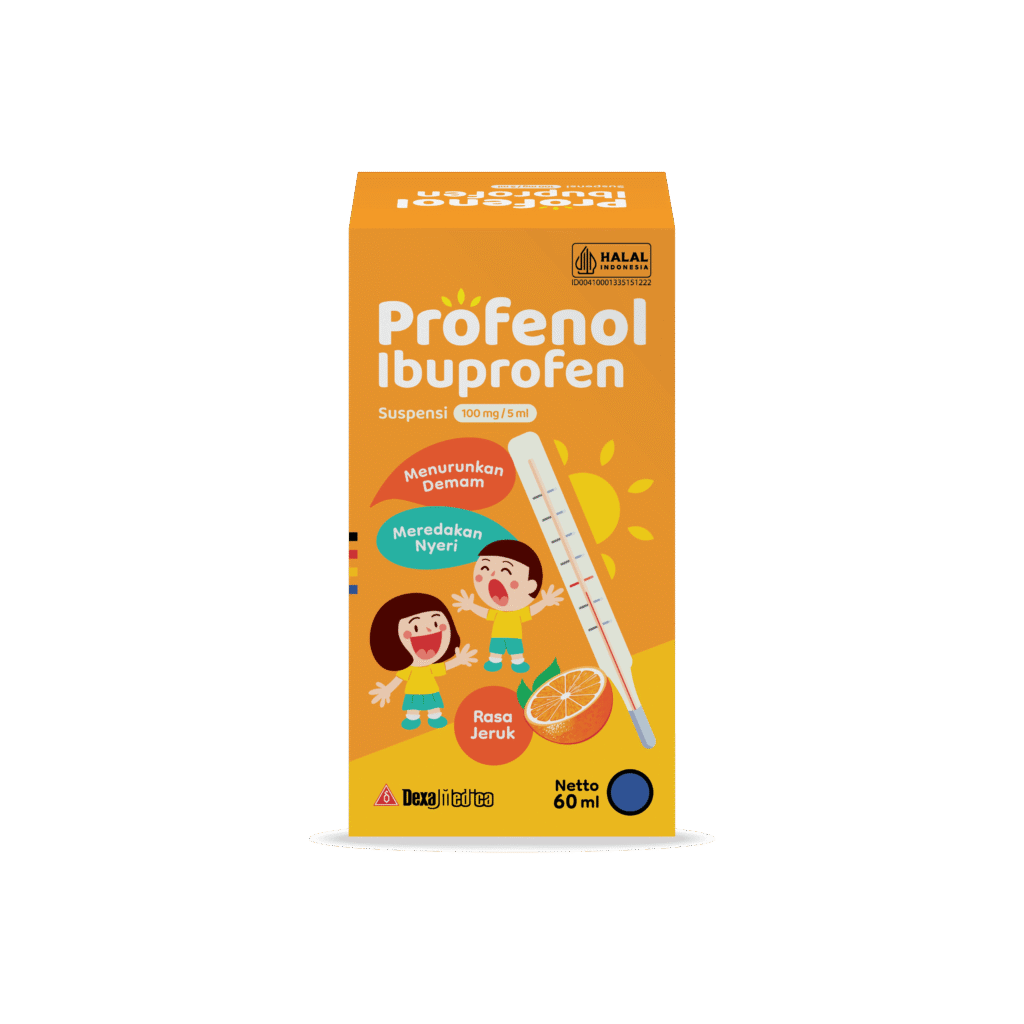
Recommended dosage for:
Adults
To relieve pain: 3 to 4 times of 10 ml a day.
Children
To relieve fever and pain:
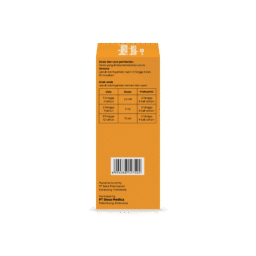
- Age 1 to 2 years: 2.5 ml, 3 to 4 times a day.
- Age 3 to 7 years: 5 ml, 3 to 4 times a day.
- Age 8 to 12 years: 10 ml, 3 to 4 times a day.