Tangerang — Strengthening halal pharmaceutical products has become a shared priority among regulators, industry players, and healthcare providers in Indonesia. Ensuring the halal status of medicines is increasingly seen as essential to delivering safe, high-quality healthcare while providing peace of mind for the public.
Indonesia’s Vice Minister of Health, Prof. Dante Saksono Harbuwono, emphasized that expanding halal-certified products is a key part of developing the national healthcare system. As of 2026, approximately 44,000 pharmaceutical products in Indonesia have received halal certification.
According to the Vice Minister, the government continues to strengthen collaboration with the Halal Product Assurance Agency (BPJPH), the National Committee for Islamic Economy and Finance (KNEKS), and the pharmaceutical industry to ensure that halalan thayyiban principles are fully integrated into the country’s healthcare services.
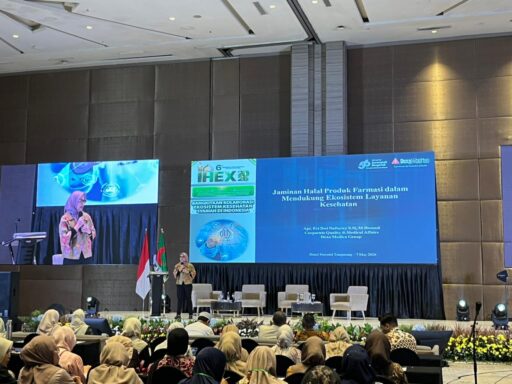
“Halal products are not solely about regulatory compliance, but also about addressing the public’s growing demand for healthcare services that provide safety, assurance, and comfort,” said Prof. Dante at the 6th International Islamic Healthcare Conference and Expo, organized by the Indonesian Islamic Health Efforts Council (MUKISI) in Tangerang from May 6–8, 2026.
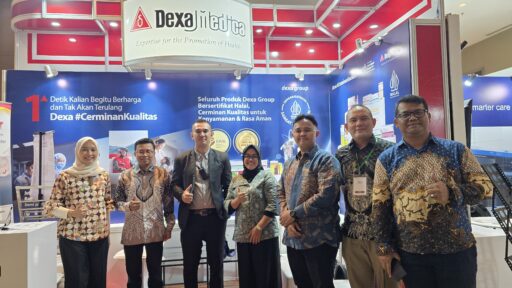
From the industry side, Dexa Group has completed comprehensive halal certification across all operational lines. All manufacturing facilities and more than 1,700 Dexa Group products are now halal-certified.
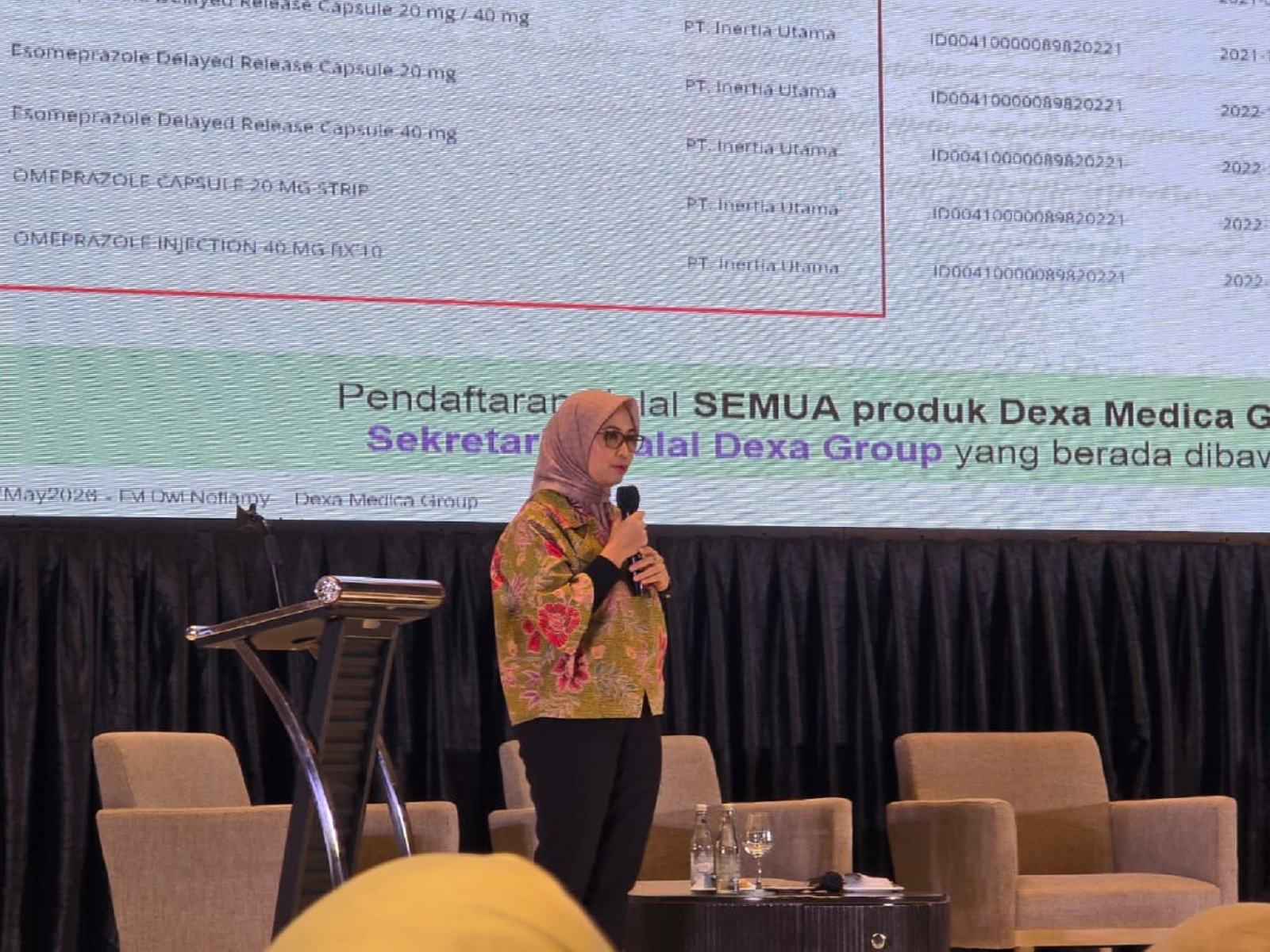
Dwi Nofiarny, Head of Corporate Quality Audit & Pharmacovigilance at Dexa Group, stated that halal implementation in the pharmaceutical industry represents a living commitment embedded at every stage — from research laboratories to product distribution.
“At Dexa Group, halal standards are fully integrated with quality standards to ensure products that are safe, high-quality, and trustworthy. Halal is part of our company’s broader commitment to delivering security and comfort to the public,” said Dwi Nofiarny.
Dexa Group’s halal certification journey began in February 2018. In 2019, the company submitted 708 product SKUs for large-scale halal certification through LPPOM MUI and successfully secured certification for all manufacturing facilities, earning Grade A or “excellent” assessment results.
This implementation follows a halal by design approach, where halal considerations are embedded from the earliest stages of product development and maintained throughout every production phase. Good Manufacturing Practice (GMP) and Indonesia’s CPOB standards operate in parallel with the Halal Product Assurance System within one integrated framework.
“We believe product quality and patient comfort must go hand in hand. That is why we remain committed to providing high-quality halal pharmaceutical products for the Indonesian people,” Dwi Nofiarny added.
A similar perspective was shared by healthcare providers. Dr. Doni Reva Setiadi, a representative of MUKISI and Director of Sari Asih Cipondoh Hospital, noted that patient awareness regarding halal pharmaceutical products continues to rise, particularly for injectable and oral medications.
“We know that some medicines contain non-halal substances, which can become a major concern for the public and may even hinder treatment implementation. Some pharmaceutical companies are now seeking halal alternative ingredients, and I have seen exceptionally strong public acceptance of these products. Today, people are far more informed about how to verify the halal status of medicines,” explained Dr. Doni.
He added that demand for halal pharmaceutical products is particularly strong in areas such as cardiovascular therapies and anesthesia. Dr. Doni encouraged the pharmaceutical industry to continue responding to this need.
“Because Indonesia’s population is predominantly Muslim, halal labeling is a major public concern. This presents a significant opportunity for the pharmaceutical industry to continue innovating and developing alternative raw materials that meet halal standards,” he said.
Ultimately, the commitment to halal pharmaceutical products goes beyond regulatory requirements. Every Muslim patient in Indonesia deserves access to medicines that are not only medically effective but also provide spiritual reassurance. Dexa Group has chosen to position itself at this critical intersection — and has been building that commitment since 2018.