

JAKARTA — Globally, the condition long known as polycystic ovary syndrome (PCOS) is estimated to affect more than 170 million women, or approximately one in eight women of reproductive age. The vast prevalence and far-reaching impact of this condition led to a global consensus published in The Lancet in 2026, proposing a name change from PCOS to polyendocrine metabolic ovarian syndrome (PMOS). This new nomenclature is considered to better reflect the multisystem nature of the disorder, which encompasses reproductive, endocrine, metabolic, and psychological dimensions.
This evolving understanding underscores that treatment must address the patient holistically, particularly the underlying endocrine and metabolic aspects driving insulin resistance. Business Development and Scientific Affairs Director of PT Dexa Medica as well as Executive Director of Dexa Laboratories of Biomolecular Sciences (DLBS), Prof. Raymond Tjandrawinata, PhD, JSD, LLM, FRSPH, emphasized the vital importance of an integrative therapeutic approach. “A growing body of scientific evidence shows that insulin resistance is a central driver in the disease progression. Therefore, therapeutic approaches must evaluate the patient comprehensively, including improving their metabolic profile,” said Prof. Raymond.
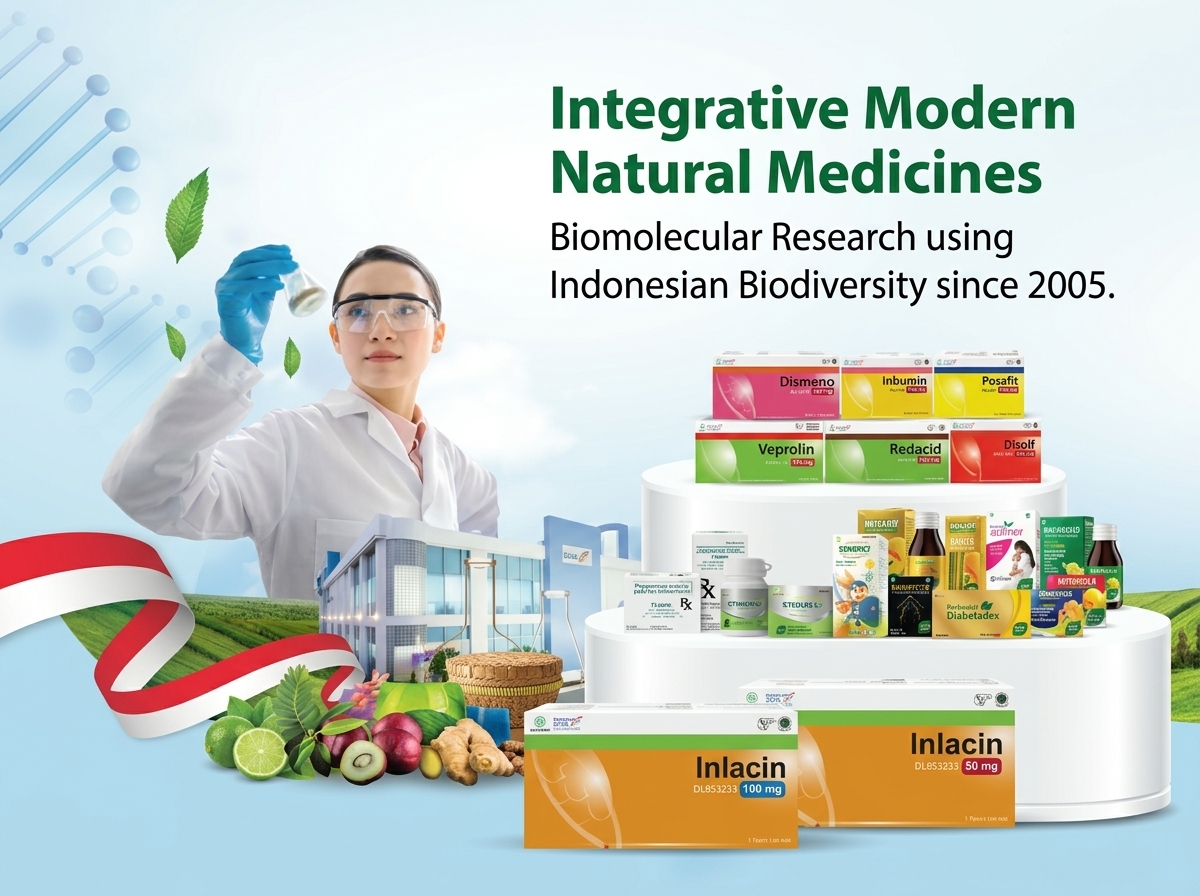
As part of its commitment to advancing evidence-based therapies, Dexa Group—through Dexa Laboratories of Biomolecular Sciences (DLBS)—developed Inlacin®, the only antidiabetic phytopharmaceutical (fitofarmaka) in Indonesia formulated using an evidence-based herbal medicine approach.
Inlacin® is derived from a synergistic combination of cinnamon bark extract (Cinnamomum burmannii) and giant crape myrtle leaf extract (Lagerstroemia speciosa), both of which have undergone rigorous preclinical research and clinical trials adhering to modern pharmaceutical development standards.
Beyond its application as a combination therapy for patients with type 2 diabetes mellitus, recent research highlights the benefits of Inlacin® for PCOS patients presenting with insulin resistance.
From 2013 to 2017, Dexa Group conducted a clinical trial on PCOS patients with insulin resistance. The findings demonstrated that Inlacin® improved the Homeostatic Model Assessment of Insulin Resistance (HOMA-IR) score by 24%, reflecting a marked enhancement in insulin sensitivity. These trial results have been published in two reputable international scientific journals.
According to Prof. Raymond, these findings reinforce Inlacin’s position as a viable phytopharmaceutical therapeutic alternative to support the management of PCOS patients with insulin resistance, featuring a favorable tolerability profile and significantly fewer gastrointestinal side effects compared to metformin extended-release (metformin-XR).
“We developed Inlacin based on clinical demands for a therapy that not only effectively restores insulin sensitivity, but also maintains a strong safety and tolerability profile, making it a reliable option for specific patients based on a physician’s evaluation. Its entire development was guided by an evidence-based herbal medicine framework,” Prof. Raymond explained.
Medical and Regional Recognition
Head of Marketing at PT Dexa Medica, Ms. Jenny Octavia, highlighted that Inlacin® has firmly established its position as a trusted combination therapy instrument among medical specialists.
She further elaborated that Inlacin® stands as the sole antidiabetic phytopharmaceutical preparation in Indonesia integrated by fertility, endocrinology, and reproductive specialists into combination therapy protocols for treating PMOS/PCOS patients with insulin resistance manifestations.
“To date, Inlacin has earned the trust of and is prescribed by more than 60% of medical practitioners in fertility and reproductive endocrinology. Moving forward, our commitment is to broaden our medical education outreach so that more patients can benefit from precise, clinically relevant therapeutic interventions,” Ms. Jenny stated during the “Optimizing PMOS Management” symposium in Jakarta.
The success of this phytopharmaceutical innovation is also gaining regional momentum. The adoption and prescription of Inlacin® by physicians in the Philippines and Cambodia further solidify global recognition for Indonesia’s biomolecular research, backed by rigorous scientific validation. This journey reflects the resilience of an Integrative Modern Natural Medicine—a testament to adaptive innovation and a commitment to continuous growth.